
Mesin Karbonisasi Horizontal
Table of Contents
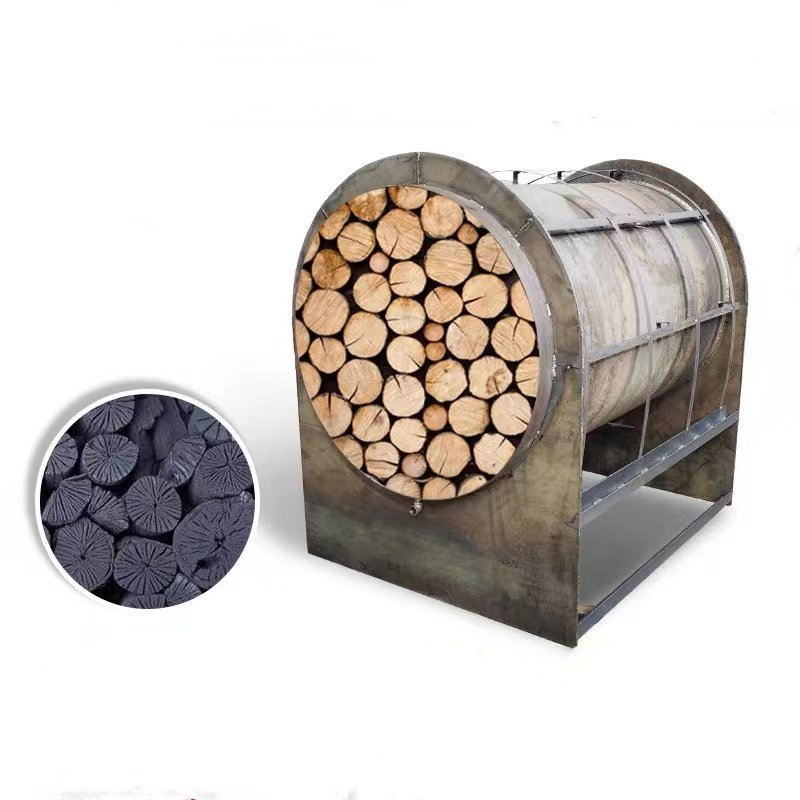
Pabrik Tungku Karbonisasi Horisontal
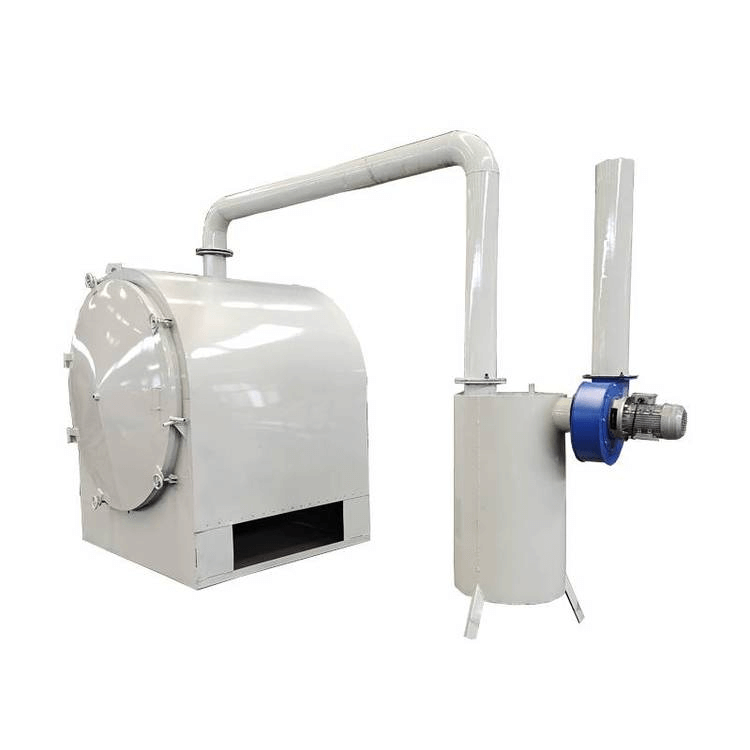
Pemasok Tungku Karbonisasi Horisonta
What is Mesin Karbonisasi Horizontal?
Mesin Karbonisasi Horizontal, also known as a Horizontal Carbonization Machine, is a specialized piece of equipment designed for the carbonization process of various organic materials. This machine is typically used in industries where carbonized products are required, such as in the production of charcoal, biochar, and activated carbon. The horizontal design allows for more efficient heat distribution and material handling during the carbonization process.
What Materials Can Be Carbonized by Mesin Karbonisasi Horizontal?
Mesin Karbonisasi Horizontal is highly versatile and can carbonize a wide range of materials. Common feedstocks for this machine include:
Wood and Sawdust: This is the most popular material for carbonization, producing high-quality charcoal.
Coconut Shells: Ideal for producing activated carbon, which is widely used in air and water purification.
Agricultural Waste: Materials like rice husks, corn stalks, and sugarcane bagasse can also be processed into biochar.
Biomass: Various biomass materials, such as palm kernels, can be transformed into charcoal or biofuel.
Basic Structure of Mesin Karbonisasi Horizontal
The basic structure of a Horizontal Carbonization Machine typically consists of the following components:
Carbonization Furnace: The main body where the carbonization reaction takes place. It is made from high-temperature resistant steel and is designed to provide a stable and efficient heat source.
Rotary Drum: This is a horizontal rotating drum where the raw material is evenly distributed and exposed to heat.
Heating System: This includes the burners or electric heaters that generate the necessary heat for the carbonization process.
Exhaust Gas System: A system designed to collect and treat the gases produced during the carbonization process.
Cooling System: Once carbonization is complete, the products need to be cooled down to avoid combustion. The cooling system helps maintain the product’s quality.
Which Materials Are Suitable for Mesin Karbonisasi Horizontal?
Mesin Karbonisasi Horizontal is best suited for carbonizing materials that are rich in organic matter. These materials include:
Wood and Wood By-products: Sawdust, wood chips, and tree branches are perfect for this process.
Agricultural Biomass: Materials like corn stalks, rice husks, and peanut shells can be effectively carbonized into biochar.
Coconut Shells: As mentioned, coconut shells are highly suitable for producing activated carbon.
Waste from the Food Industry: Materials such as fruit peels and vegetable waste can be used to produce eco-friendly charcoal.
Environmental Impact of Mesin Karbonisasi Horizontal
Mesin Karbonisasi Horizontal is designed to be eco-friendly by minimizing emissions and promoting sustainability. It incorporates an efficient exhaust gas system that captures and treats harmful gases, such as carbon monoxide, produced during carbonization. The system reduces the environmental impact and ensures that the process adheres to environmental standards.
Moreover, by converting agricultural and organic waste into charcoal or biochar, it helps reduce the need for landfills and promotes the use of waste as a resource, thus reducing deforestation and promoting circular economy practices.
How Does Mesin Karbonisasi Horizontal Achieve Smoke-Free Production?
To achieve smoke-free production, Mesin Karbonisasi Horizontal uses advanced exhaust gas treatment systems. These systems include:
Gas Scrubbers: These are used to filter out harmful gases before they are released into the atmosphere.
Closed System: The carbonization process is done in a sealed environment to prevent smoke from escaping into the air.
Heat Recovery: The heat generated during the process is reused, reducing the need for additional fuel and preventing unnecessary emissions.
These systems work together to ensure that the carbonization process is as clean as possible, minimizing smoke and harmful pollutants.
Features of Mesin Karbonisasi Horizontal
High Efficiency: The horizontal design ensures even heat distribution and optimal carbonization.
Energy Saving: It is equipped with a heat recovery system that reduces fuel consumption.
Eco-Friendly: With its smoke-free design and efficient waste treatment system, it minimizes environmental impact.
Durability: Made from high-quality materials, it is built to last and withstand high temperatures.
Versatility: It can process a wide range of raw materials, offering flexibility for different industries.
How to Choose the Right Mesin Karbonisasi Horizontal?
When selecting a Mesin Karbonisasi Horizontal, consider the following factors:
Material Type: Choose a machine that is designed to handle the type of material you intend to process.
Capacity: Ensure the machine has the required capacity to meet your production demands.
Efficiency: Look for features like heat recovery and energy-saving systems to reduce operational costs.
Environmental Compliance: Make sure the machine adheres to environmental regulations and provides smoke-free carbonization.
Maintenance and Support: Consider the availability of technical support and the ease of maintaining the machine.
Frequently Asked Questions (FAQ) About Mesin Karbonisasi Horizontal
1. What is the carbonization process in Mesin Karbonisasi Horizontal?
The carbonization process in a Mesin Karbonisasi Horizontal involves heating organic materials in a low-oxygen environment to convert them into carbon-rich products, such as charcoal or biochar. The material is heated to high temperatures (typically between 400°C to 800°C) inside the rotating drum, where it undergoes thermal decomposition.
2. How long does the carbonization process take?
The time required for carbonization depends on the type of material and the desired final product. Typically, the carbonization process can take anywhere from 2 to 6 hours. The process is controlled to ensure that the material is properly carbonized without overheating or underheating.
3. Can the Mesin Karbonisasi Horizontal be used for small-scale operations?
Yes, Mesin Karbonisasi Horizontal can be scaled to suit both small and large-scale operations. There are models available for both industrial and smaller, more compact applications, making it suitable for various business sizes.
4. What kind of maintenance does the Mesin Karbonisasi Horizontal require?
Regular maintenance includes checking the heating system, cleaning the exhaust gas system, inspecting the rotary drum for wear and tear, and ensuring the cooling system is functioning properly. Regular servicing can prevent downtime and ensure optimal performance.
5. How much energy does a Mesin Karbonisasi Horizontal consume?
The energy consumption of Mesin Karbonisasi Horizontal depends on factors like material type, drum size, and the heating system used. However, modern models are designed to be energy-efficient, with features such as heat recovery systems that reduce overall fuel consumption.
6. How can I ensure that the carbonization process is smokeless?
Mesin Karbonisasi Horizontal is equipped with advanced exhaust gas treatment systems, including gas scrubbers and sealed environments, which ensure that harmful gases and smoke are properly filtered and treated. The system works efficiently to eliminate any visible smoke during production.
7. What is the maximum temperature the Mesin Karbonisasi Horizontal can handle?
The maximum temperature that Mesin Karbonisasi Horizontal can handle typically ranges between 800°C to 1000°C, depending on the model and the material being processed. This high temperature is essential for effective carbonization and ensures the final product reaches the desired quality.
8. Is there any waste or byproduct produced during the carbonization process?
Yes, the carbonization process can produce several byproducts such as smoke, gases (e.g., carbon monoxide, methane), and tar. However, these byproducts are treated through the machine’s exhaust gas treatment system, which helps to minimize pollution and recover valuable gases for other uses.
9. Can Mesin Karbonisasi Horizontal handle different sizes of materials?
Yes, Mesin Karbonisasi Horizontal is versatile and can handle different sizes of materials. The machine is equipped with adjustable feed systems that allow for the processing of both small and large raw materials, offering great flexibility for various applications.
10. How long will a Mesin Karbonisasi Horizontal last?
With proper maintenance, a Mesin Karbonisasi Horizontal can last for many years. The durability of the machine depends on the quality of materials used in its construction and how well it is maintained. Regular servicing can extend the lifespan of the equipment.
Halaman terkait
Mesin Pembuat Batang Serbuk Kayu
Mesin Pembuat Batang
Mesin Cetak Batang Arang
Mesin Cetak Batang A
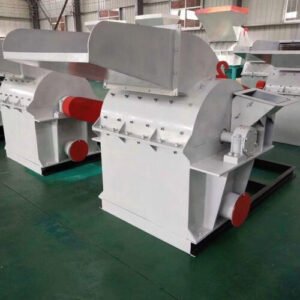
Mesin Penghancur Kayu
Mesin Penghancur Kay
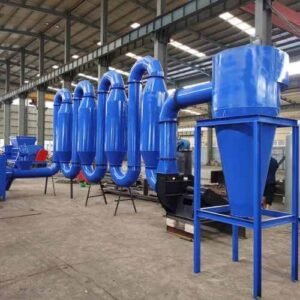
Mesin Pengering Aliran Udara
Mesin Pengering Alir
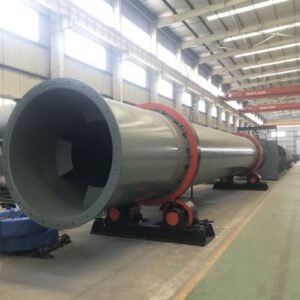
Mesin Pengering Drum
Mesin Pengering Drum
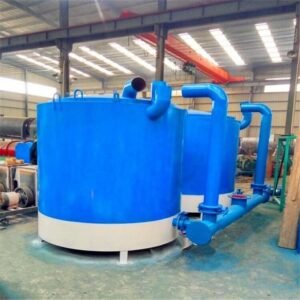
Tungku Pengangkatan
Tungku Pengangkatan