
Rotary Dryer: Applicable Materials, Working Principle & Selection Guidelines
Dried materials can be used for further processing, storage or sales after reaching standard moisture content.
This article elaborates on its applicable materials, working principle and practical selection tips based on field operation experience.
1. Main Applicable Materials
1.1 Agricultural Waste & Fertilizer Materials
Rice husk, crop straw, starch residue, fruit pomace, bagasse, aquatic processing waste, organic and inorganic fertilizers.
It also suits dewatering of municipal sludge and industrial sludge.
Widely used in agricultural processing, fertilizer production and solid waste treatment lines.
1.2 Chemical, Mining & Aggregate Materials
It supports large-scale continuous drying with even moisture control.
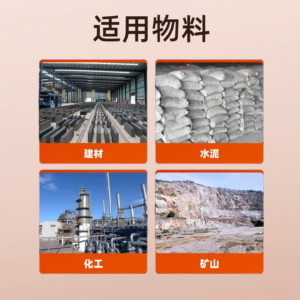
Ore, mining residue, cinder, clay, kaolin and other mine materials.
It is standard equipment for mining processing and chemical raw material pretreatment.
2. Core Working Principle
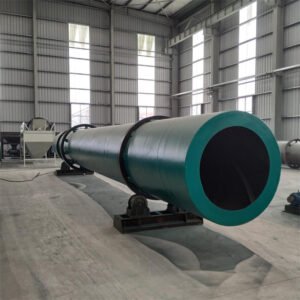
Adopting horizontal rotary drum structure, the equipment runs steadily with low failure rate, perfectly matching industrial assembly lines.
Along with steady drum rotation, materials are lifted, scattered, tumbled and conveyed forward.
It effectively avoids material accumulation and uneven drying.
Its drying efficiency is much higher than static drying equipment, to meet required dry material standards.
3. Practical Equipment Selection Guidelines
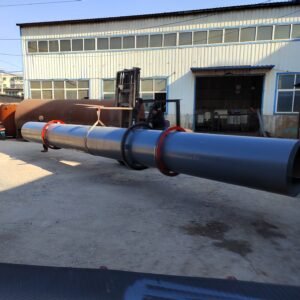
Do not judge equipment only by overall size. Make selection according to actual production demands.
- Initial moisture content: Configure matching air velocity and temperature for high-moisture materials.
- Hourly & daily output: Select proper equipment model based on production capacity requirements.
- Final material quality & moisture standard: Accurately adjust drying temperature and running speed.
It also cuts energy consumption and improves overall production benefits.