
Full Carbonization Process Practical Operation Guidelines for Carbonization Furnace (Must-read for New Operators).
Even premium raw materials and well-formed briquettes will turn out fragmented, lightweight defective charcoal without proper carbonization control, cutting overall profits sharply.
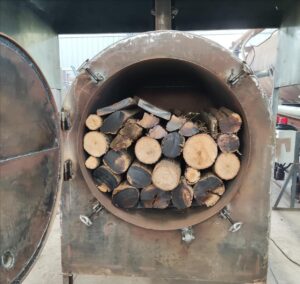
No matter how solid the foundation is, substandard processing will produce unqualified finished charcoal.
Each phase has independent operation standards. Combined with on-site production experience, this guide elaborates key details, forbidden operations and safety rules for every stage.
1. Low-temperature Moisture Removal Phase: Determines Whether Briquettes Crack
Rapid temperature rise and incomplete dehumidification will instantly expand internal water vapor inside briquettes, leading to 100% cracked, hollow and crispy charcoal that crumbles with light touch.
Moisture removal duration varies greatly by furnace type and cannot be unified:
- Traditional earth kilns: Slow heating speed and poor tightness, requiring 10–15 hours of gradual heating to fully discharge residual internal vapor.
- Modern professional carbonization furnaces: Fully sealed structure, rational air ducts and uniform heating deliver high dehumidification efficiency, with standard moisture removal time controlled within 2–3.5 hours.
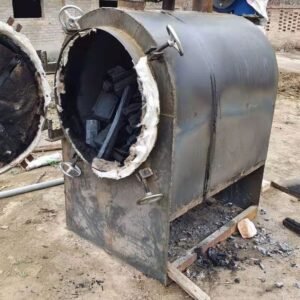
2. High-temperature Calcination Phase: Decides Char Yield & Finished Char Quality
This flue gas is not waste exhaust but free high-quality heat source for recycling:
Part of the gas circulates back into the furnace to sustain constant-temperature carbonization;
The rest can be diverted to the dryer for raw material preheating, drastically cutting auxiliary fuel costs.
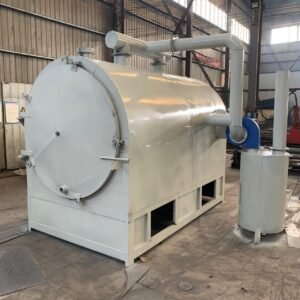
Air ingress into the furnace will oxidize solid carbon, resulting in lightweight charcoal, severe weight loss, high ash content and poor burning durability.
Only fully sealed oxygen-free calcination can produce dense charcoal with high fixed carbon content and long burning performance.
3. Cooling Stabilization Phase: Relates to Production Safety & Stable Finished Char Quality
Two mainstream cooling methods are widely adopted in the industry: natural slow cooling and water-assisted cooling. Both are acceptable, yet sudden furnace opening under high heat is totally forbidden.
3.1 Forbid Charcoal Unloading in Closed Environment to Prevent Carbon Monoxide Poisoning
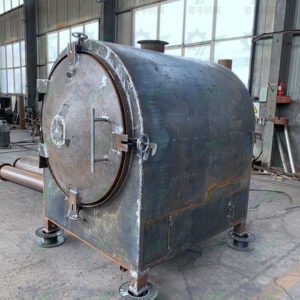
Working closely or entering the furnace without adequate ventilation easily causes fatal toxic gas poisoning.
Fully open all vents and exhaust all waste gas before charcoal unloading.
3.2 Hot Char Must Be Stored Separately to Eliminate Fire Hazards
Standard operation rule: Fresh charcoal must be placed in open, well-ventilated outdoor areas for static storage over 8 hours.
Only confirm zero re-ignition risk before warehousing, stacking and packaging for sales.
Comprehensive Summary
Slow heating without rushing during early moisture removal;
Full sealing required in mid high-temperature calcination;
No hasty cooling in the final stage.
In addition, standardize ventilation, cooling and fire prevention safety management.