
Lifting Type Carbonization Furnace vs Horizontal Carbonization Furnace: Full Comparison.
New investors planning to produce log charcoal and hardwood lump charcoal often struggle to choose between lifting carbonization furnaces and horizontal carbonization furnaces. Both units are designed for logs, wood blocks and wood scraps, sharing the same core principle: sealed oxygen-free retorting carbonization. However, they differ drastically in structure, carbonization cycle, finished charcoal quality, applicable workshop conditions and target customer groups.
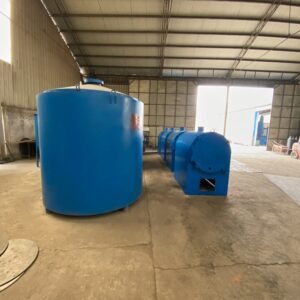
Wrong equipment selection may lead to low-density charcoal with poor selling value, or failure to pass environmental inspections and legal production. This guide clarifies their practical differences, pros & cons and applicable scenarios for error-free equipment selection.
1. Lifting Type Carbonization Furnace: Dedicated Unit for High-Grade Log Charcoal
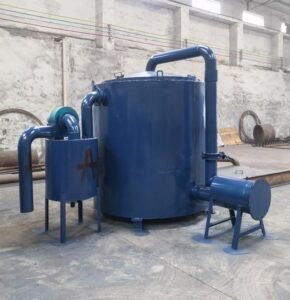
The lifting carbonization furnace optimizes the retorting technology of traditional earthen kilns. It retains the strengths of old kilns such as excellent charcoal color and high density, while upgrading sealed structure and flue gas recovery system. It is premium-grade equipment for high-quality log charcoal production.
Working Principle
The furnace operates under fully sealed oxygen-free retorting and high-temperature pyrolysis. Flue gas generated inside will not be discharged directly. Through gas purification system, wood tar and wood vinegar liquid are separated. Purified combustible gas is recycled and re-burned inside the furnace for heating. Heat is circulated continuously to maintain stable temperature with slow and steady carbonization progress.
Practical Advantages & Charcoal Features
Longer carbonization and cooling cycles allow thorough wood pyrolysis and sufficient volume shrinkage. Output charcoal features high density, heavy weight, high hardness and long burning time. The finished product is jet-black, glossy, solid without hollow or friable fragments. It is high-value premium log charcoal ideal for high-end BBQ charcoal and commercial industrial charcoal sales.
Complete flue gas recycling ensures thorough environmental treatment, meeting compliance standards for formal factories. Best for processors focusing on long-term quality control, high-end market and stable bulk orders.
2. Horizontal Carbonization Furnace: Fast Output for Small Family Workshops
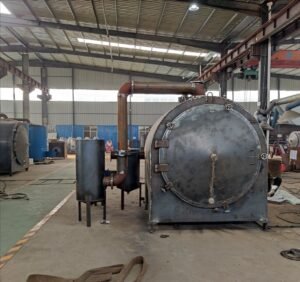
The horizontal carbonization furnace is also a log charcoal producer with identical sealed retorting core principle. It boasts robust construction and cost-effective pricing. Its biggest highlights are low entry cost, easy operation and fast production turnover.
Practical Advantages
Modular structure enables convenient disassembly, transportation and on-site installation. Operation is extremely user-friendly. Operators can master the whole process with basic training without professional technical background. Fast heating, carbonization and cooling greatly shorten the full batch cycle and improve throughput. Perfect for husband-and-wife workshops, mountainous areas with scattered timber resources and on-site local production.
Inherent Limitations
Rapid heating and cooling leave insufficient time for wood fiber contraction. Charcoal density and compactness are slightly lower compared with lifting furnace products. Basic horizontal models have simplified flue gas treatment without complete purification and recovery modules. They are difficult to pass strict environmental audits in standard industrial zones. More suitable for remote mountain forests, self-use small batches and sideline small-scale production.
3. Core Differences Summary for Direct Selection Reference
3.1 Finished Charcoal Quality
- Lifting Carbonization Furnace: Slow carbonization & slow cooling, compact high-density charcoal, durable burning, premium appearance and higher market price, positioned for top-grade charcoal.
- Horizontal Carbonization Furnace: Fast carbonization & quick discharging, large output and fast turnover, relatively lighter charcoal, standard mass-market log charcoal for volume sales.
3.2 Environmental Performance & Application Scenarios
- Lifting Furnace: Equipped with complete flue gas recovery, tar separation and waste heat utilization systems, superior environmental performance, suitable for formal factories and large-scale compliant production.
- Horizontal Furnace: Simple structure without complex purification assemblies, applicable to remote sites, mountain regions and small-scale family sideline projects.
3.3 Investment Threshold & Labor Requirement
- Lifting Furnace: Designed for registered factories, quality-oriented operators and sustainable long-term business.
- Horizontal Furnace: Low capital investment, easy commissioning, only two workers required, ideal for beginners’ trial operation and side business startups.
Final Selection Recommendations
- Choose the lifting type carbonization furnace, if you aim for high-end premium charcoal with high profit, formal factory setup and long-term stable profitable operation.
- Choose the horizontal carbonization furnace, if you need low-cost trial investment, on-site production in mountainous wood-rich areas, small sideline projects and fast mass output.
Both furnaces deliver high carbon yield, low failure rate and strong practicality. There is no absolute better or worse option. The decision purely depends on your production site conditions, local environmental regulations and product sales positioning.