
Bagasse Carbonization Machine: Turning Waste into Clean Energy.
With the continuous advancement of biomass solid‑waste recycling technology, sugarcane bagasse is no longer regarded as useless waste, but a high‑quality renewable biomass energy source.
The Yufeng Machinery bagasse carbonization machine is specially developed according to the characteristics of sugarcane bagasse. It solves the difficult disposal problem of accumulated bagasse in sugar mills and sugarcane plantations. It converts low‑value waste bagasse into high‑quality biomass charcoal fuel, realizing waste recycling and energy regeneration with both environmental‑friendliness and profit‑making benefits.

1. Core Production Process of Bagasse Carbonization Machine
Sugarcane bagasse features light texture, high fiber content and abundant organic matter, which makes it highly suitable for high‑temperature carbonization treatment.
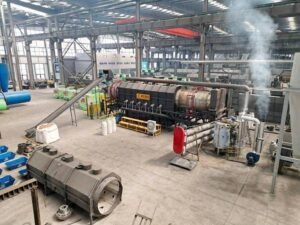
This bagasse carbonization machine adopts the mature closed high‑temperature dry distillation carbonization technology. Different from traditional open‑flame incineration, the whole process operates under low‑oxygen and air‑tight conditions.
During operation, pre‑dried sugarcane bagasse is fed into the carbonization furnace. Precise temperature control builds a high‑temperature reaction environment inside the furnace. A series of physical and chemical reactions including oxidation, pyrolysis, decomposition and reduction take place inside the furnace. Moisture and volatile substances in bagasse are fully released, while organic structures are reconstructed and solidified. Finally, evenly‑textured and stable biomass charcoal fuel is produced.
The whole process enjoys high controllability. Thorough and uniform carbonization avoids under‑carbonization or excessive burning loss, delivering a high finished‑product rate.
2. Advantages of Finished Bagasse Charcoal: High‑Quality Clean Fuel
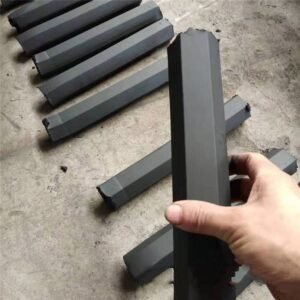
Charcoal produced by the bagasse carbonization machine is premium clean energy fuel. It has prominent advantages compared with conventional coal and ordinary charcoal: high calorific value, ultra‑low sulfur content and low ash content for sufficient combustion.
It burns smokelessly and odorlessly with little residue and stable fire power. It is widely applicable for heat supply of industrial boilers, on‑site energy supply, residential heating and fuel applications. It is well‑recognized green biomass fuel in the current market.
3. Core Values & Advantages of Bagasse Carbonization Project
3.1 Consume agricultural and forestry solid waste to resolve bagasse disposal challenges
Sugar mills and sugarcane planting areas generate massive accumulated bagasse every year, bringing huge disposal pressure. Conventional disposal methods are neither eco‑friendly nor cost‑effective.
The bagasse carbonization machine can process large volumes of waste sugarcane bagasse. It realizes waste reduction and harmless treatment, eliminates pollution from stockpiling and smoke emission from open burning, and fully meets environmental‑protection production standards.
3.2 Replace wood consumption to protect forest ecological resources
In the past, most industrial and domestic charcoal was produced from logs, and excessive logging damaged ecological environment.
Producing charcoal from waste sugarcane bagasse replaces log resources with agricultural and forestry residues. It greatly reduces wood harvesting for sustainable and eco‑friendly production.
3.3 Substitute traditional energy to cut production costs
As renewable clean energy, bagasse charcoal can directly replace fossil fuels such as coal and heavy oil, helping enterprises lower energy procurement expenditure.
For sugar mills, self‑produced bagasse charcoal satisfies on‑site fuel demand without extra purchasing, achieving energy self‑sufficiency and improving overall plant economic returns.
3.4 Realize resource recycling for stable economic benefits
Sugarcane bagasse is easily accessible in huge volume as zero‑cost or low‑cost waste material. After carbonization processing, it turns into high‑value clean charcoal fuel for self‑consumption or external sales. Waste is converted into profits, creating a stable income channel for sugarcane‑growing regions.
Conclusion
The bagasse carbonization machine is a purpose‑built biomass solid‑waste recycling equipment, perfectly matching waste‑treatment requirements of sugarcane‑growing zones and sugar mills.
With advanced high‑temperature dry distillation carbonization technology, waste bagasse is converted into high‑calorific‑value and low‑pollution premium biochar energy. It addresses solid‑waste pollution, protects ecological environment, substitutes conventional fossil fuels and reduces production costs. It achieves win‑win results for both environmental protection and economic benefits, and stands as the preferred equipment for sugarcane bagasse resource utilization.