
Key Factors Affecting Charcoal Quality from Carbonization Furnace.
Common problems include excessive charcoal scraps, fragile lightweight charcoal, low fixed carbon content and poor combustion performance.
These issues greatly affect product appearance, selling price and market sales.
In fact, charcoal production is a complete process.
Raw materials, material treatment, loading method, carbonization temperature and equipment quality all directly determine the final charcoal grade.
This guide summarizes practical experience to help operators avoid faults and optimize production techniques.
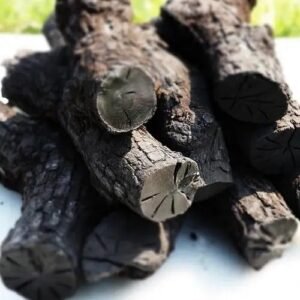
1. Raw Materials: Foundation of Premium Charcoal
Charcoal is made via carbonization of wood fiber.
Raw materials with high fiber density and hard texture produce charcoal with high fixed carbon, firm texture, heavy weight and long burning time.
1.1 Preferred Wood Types
Recommended varieties include fruit wood, pear wood, oak, litchi wood and longan wood.
Finished charcoal features neat shape, stable heat output and high market value, suitable for barbecue and industrial use.
1.2 Material Moisture Requirement
When wet materials are fed into the furnace, rapid water evaporation damages charcoal structure and causes cracks and scraps.
Moisture also consumes massive heat, leading to incomplete carbonization, low fixed carbon and high ash content.
1.3 Pre-treatment for Large Logs
Whole thick logs result in incomplete internal carbonization, uncarbonized cores and excessive residues, reducing charcoal yield and integrity.
2. Furnace Loading Technique: Critical Operating Details
It causes uneven temperature distribution inside the furnace.
Some materials burn out into ashes, while others remain uncarbonized.
The final products have large quantities of defective scraps.
Standard Loading Rules
It ensures 360° circulation of hot air and uniform heating for all materials.
Charcoal produced this way maintains complete shape, consistent quality and low defect rate.
3. Carbonization Temperature & Heating Rate: Core for Stable Charcoal Quality
Fast heating leads to quick release of volatile substances inside materials.
It destroys internal structure, increases charcoal brittleness, and causes breakage during handling.
-
General-purpose premium charcoal: Maintain furnace temperature at 450℃ – 500℃.
This optimal range ensures complete carbonization and qualified fixed carbon content, without damaging charcoal structure. Products are firm, intact and durable with minimum defects.
-
Commercial charcoal (Barbecue & General Industrial Use): Control temperature at 500℃ – 600℃.
Carbonization is more thorough with strong heat output, meeting most commercial demands with high cost performance.
-
High-temperature industrial charcoal: Raise temperature to 600℃ – 1000℃.
Products feature high density, top-grade fixed carbon and low ash content for high-end industrial applications.
4. Equipment Quality: Reliable Furnace as Fundamental Guarantee
Even with premium raw materials and standard operation, they cannot produce high-grade charcoal.
Consequences include excessive scraps, lightweight charcoal, substandard fixed carbon, low yield and severe waste of raw materials, fuel and labor.
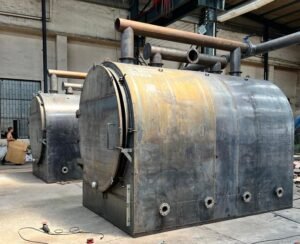
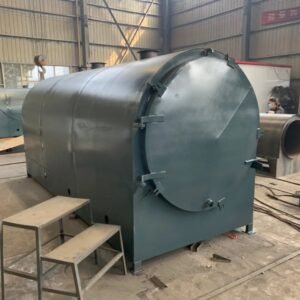
They excel in tight sealing, heat retention, airflow circulation and precise temperature control.
The equipment maintains stable heating and uniform temperature distribution.
It maximizes fixed carbon content, keeps charcoal complete and firm, and eliminates most quality defects effectively.
5. Summary
- High-quality dried hardwood serves as a solid foundation.
- Standard furnace loading is the key step.
- Accurate temperature control is the core factor.
- Qualified professional furnace provides reliable guarantee.
Standardize every detail and select formal equipment to solve common issues such as excessive scraps, lightweight texture, low carbon content and poor durability. It will greatly improve charcoal quality and production profits.