1. Introduction to Continuous Carbonization Equipment
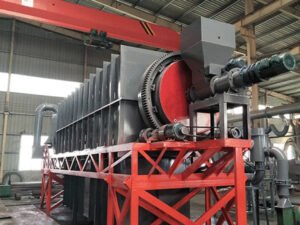
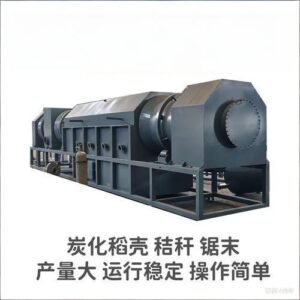
The fully automatic continuous carbonization machine, also known as energy-saving rotary continuous carbonization furnace, horizontal biochar carbonization equipment, is an integrated multi-purpose carbonization system for global biomass waste recycling and commercial biochar production.
Compared with traditional batch-type carbonization kilns, this continuous carbonization machine is more suitable for small and medium investors worldwide. Its core advantages are lower entry cost, lower operating expense and higher return on investment, with minimal labor demand.
It works exceptionally well for light, low-density biomass materials such as straw, rice husk, sawdust and bamboo dust. It meets production needs of farms, timber processors and biomass recycling enterprises across the globe. The equipment runs steadily with high hourly output and does not require constant on-site labor supervision.
2. Resource Value of Global Agricultural and Forestry Biomass Waste
Every country generates massive volumes of agricultural and forestry residues every year. Common materials include crop straw, rice husk, wood scraps, bark, bamboo dust, nut shells and organic sludge.
In the past, most of these residues were stockpiled or burned openly. This practice wastes renewable resources, creates heavy pollution and may attract environmental penalties, exposing businesses to compliance risks.
With rising global focus on green development, carbon neutrality and circular economy, these waste materials have become low-cost, high-value renewable feedstock. Processed via professional continuous carbonization equipment, waste biomass can be converted into high-quality biochar and deliver stable long-term profits to investors.
3. Core Advantages of Biomass Carbonization Projects
Many overseas investors consider wind and solar energy projects. However, such projects demand huge capital, long construction cycles, strict geographical limits and high entry barriers.
By contrast, continuous biomass carbonization offers irreplaceable strengths for small and medium entrepreneurs. It is a stable, accessible investment choice.
Low investment, fast payback
No large-scale civil construction is required. The plant can start production shortly after equipment delivery, so investors can generate revenue without long waiting periods.
No strict geographical restrictions
Agricultural and forestry biomass feedstock is widely available globally. Production can be set up regardless of terrain, climate or region.
Continuous Sawdust Carbonization Furnace
Fully automatic continuous mass production
Once stabilized, the system can operate 24 hours a day. Output is consistent and suitable for standardized large-scale manufacturing.
Simple operation and low labor cost
Equipped with intelligent control, the whole production line can be managed by only one operator. This greatly cuts labor expenditure, which is critical in regions with high labor costs.
High resource utilization and diversified profit channels
Waste materials are fully recycled with no secondary pollution. The built-in flue gas recycling system recovers combustible gas produced during carbonization to heat the furnace, so extra fuel consumption is minimized.
Qualified projects may also apply for local carbon credits and carbon income. Multiple revenue streams improve overall profit margins.
4. Wide Application of Finished Biochar
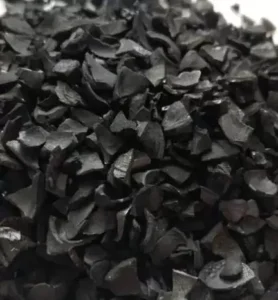
Biochar produced by continuous carbonization machines features stable quality, uniform structure and strong adsorption capacity. It enjoys strong and steady market demand in agriculture, industry and environmental protection sectors worldwide.
Agricultural Applications
Rice husk biochar, straw biochar and wood biochar deliver excellent agricultural performance. They loosen compacted soil, improve aeration and water retention, and raise soil temperature under low-temperature conditions.
They are widely used in greenhouse soilless culture, tobacco cultivation, vegetable seedling raising, flower planting and bonsai maintenance. As key substrate for modern ecological and organic farming, they face persistent strong overseas market demand.
Industrial and Environmental Applications
Finished biochar can also be used as industrial fuel carbon, metallurgical carbon raw material, sewage adsorption filter medium and air purification filler. Diverse application scenarios expand sales channels comprehensively.
5. Project Summary
For global investors planning green circular economy and biomass energy businesses, the rotary continuous carbonization machine represents a low-risk, cost-effective investment opportunity.
Using local agricultural and forestry waste, the project has low entry barriers, simple operation, stable capacity and diversified profit models. It aligns with environmental emission reduction and carbon neutrality policies in most countries while avoiding pollution compliance risks. It is one of the most viable small-to-medium green recycling projects available in the global market.