
Core Differences Between Traditional Earth Kiln Carbonization and Modern Carbonization Furnace
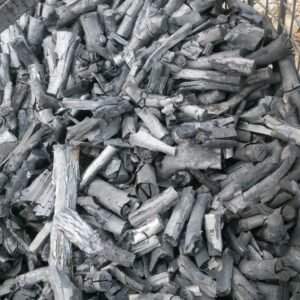
1. Carbonization Technology of Traditional Earth Kiln
Earth kiln charcoal making is a time-honored traditional technique and once the mainstream folk charcoal production method.
It requires no sophisticated equipment. The kiln is simply built on site with loess, bricks and stones, featuring easy construction and accessible raw materials. A smoke vent is reserved on the top, and access doors are set on the side for feeding and discharging. Timbers are tightly stacked and sealed inside the kiln.
Workers ignite wood from the door. After materials reach proper carbonization state, all vents and doors are fully blocked. Wood completes low-temperature carbonization under sealed oxygen-free conditions. Charcoal can be taken out after natural cooling.
Advantages
No equipment investment and extremely low construction cost. Skilled workers can produce dense charcoal with high calorific value and fine quality.
Disadvantages
Mass thick smoke discharges directly without purification, causing severe air pollution and failing to meet current environmental regulations. Long production cycle leads to low working efficiency. It is under strict official supervision nowadays.
2. Carbonization Technology of Modern Carbonization Furnace
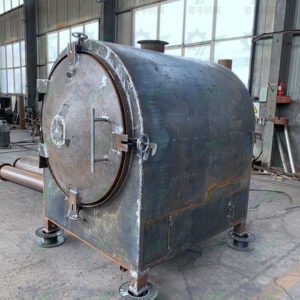
Stricter environmental policies have phased out pollutive earth kilns. Eco-friendly carbonization furnaces become the mainstream modern charcoal making facility, suitable for charcoal supply in remote areas.
Adopting sealed modular structure, it applies scientific and eco-friendly carbonization principles different from crude earth kiln processing.
Take the standard furnace with 200kg daily output as example, one production cycle lasts 8 hours. Only 3 hours auxiliary heating is needed at the initial stage with dry wood. Hardly any smoke generates during ignition.
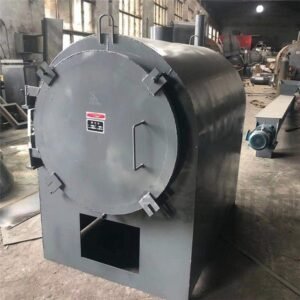
When internal temperature rises to around 200℃, timber decomposes and produces wood gas. The gas flows back automatically to heat the furnace, eliminating continuous fuel feeding.
Wood gas burns fully without smoke or peculiar odor. All exhaust gas meets emission standards, eliminating smoke pollution fundamentally. Higher automation reduces reliance on manual experience. It delivers higher productivity and uniform stable charcoal quality, winning wide popularity among charcoal manufacturers.
3. Key On-site Distinctions
Traditional earth kiln realizes carbonization via uncontrolled incomplete combustion in airtight space. Generated smoke cannot be recycled, resulting in unavoidable persistent pollution.
Modern furnaces adopt waste heat recovery and flue gas circulating combustion system. Combustible exhaust gas is reused as heat source to cut fuel cost. It achieves smoke-free clean production, with far better performance in efficiency, environmental protection and product consistency.