
Is a Continuous Carbonization Furnace Indirectly Heated?
Introduction to Indirectly Heated Carbonization Furnace
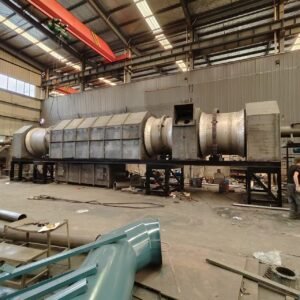
It converts agricultural and forestry wastes such as wood chips, tree branches and rice husks into charcoal by high-temperature pyrolysis technology.
It provides an effective way for recycling and reusing biomass waste resources.
1. Working Principle of Indirectly Heated Carbonization Furnace
Different from directly heated furnaces that burn fuel inside the material layer,
the indirectly heated type adopts external heating structure.
Even heat distribution greatly improves carbonization efficiency and finished charcoal quality, while reducing energy consumption.
2. Environmental Protection Performance
Waste gas generated during carbonization is collected and purified up to standard for emission.
It realizes internal energy circulation, meets local environmental protection standards, and minimizes environmental impact.
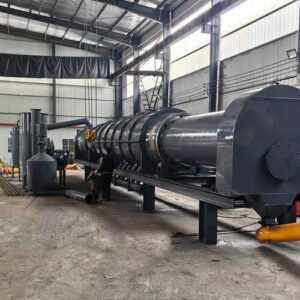
3. Simple Operation & High Automation
Operators can adjust heating temperature, carbonization time and other parameters to ensure stable and safe production.
It reduces labor intensity, lowers operation difficulty and improves overall production efficiency.
4. Continuous Carbonization Furnace Belongs to Indirectly Heated Type
Materials move axially along the main furnace cylinder from the feeding end to the charcoal discharging end.
Finished biochar is automatically discharged after completing the carbonization process.
5. Summary
indirectly heated carbonization furnaces are widely recognized and applied in the field of biomass energy conversion and resource recycling.