
Practical Operation Guide for Horizontal Carbonization Furnace: Zero Defective Charcoal for New Operators.
Common issues include incomplete carbonization and unregulated heating control.
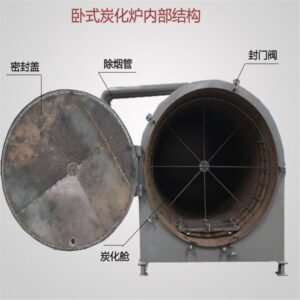
Master standard procedures to obtain stable high-quality charcoal and greatly boost production efficiency.
Steps are beginner-friendly for consistent premium charcoal output.
Step 1 Standard Feeding – Proper Stacking Ensures Uniform Carbonization
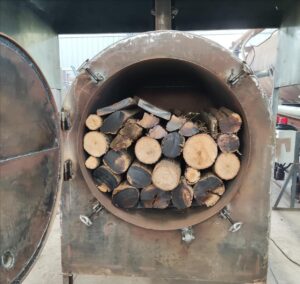
Two common mistakes ruin finished charcoal: over-compacted stacking or overly large gaps between wood pieces.
Arrange timber tightly and neatly to maximize chamber space, but do not fully block air ducts.
Guarantee smooth internal air circulation.
Even heating and uniform exhaust keep carbonization progress consistent for all timber, avoiding over-burnt or under-carbonized charcoal.
Step 2 Prepare Kindling for Fast Temperature Rise
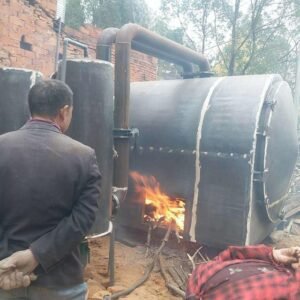
Dry hardwood twigs and wood chips are recommended; never use damp timber.
It quickly raises furnace temperature and shortens preheating & dehumidification time, saving fuel and improving overall carbonization efficiency.
Step 3 Ignition & Temperature Rise, Observe Gas Generation Status
Weak initial flame is normal. Supply gentle ventilation for steady temperature growth; avoid strong air blast and fierce firing.
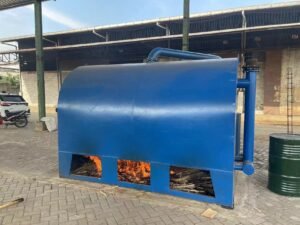
Wood distillation gas separates out from bottom pipelines.
This combustible flue gas comes from high-temperature decomposition of organic matter inside timber, serving as core fuel for self-circulation combustion of horizontal furnaces.
Step 4 Secondary Combustion of Distillation Gas – Stable Heating Is the Core
No extra kindling wood is required at this stage. Self-generated gas maintains continuous carbonization, the key energy-saving advantage of horizontal furnaces.
Pure steady blue flame means full combustion, qualified temperature and optimal carbonization state.
Yellow smoky flame indicates improper ventilation or abnormal temperature; adjust air inlet and outlet accordingly.
Step 5 Judge Carbonization Completion for Accurate Shutdown & Zero Waste
Lignin core hardens under high temperature and forms solid charcoal.
All combustible gas inside the furnace is exhausted, open flame disappears completely, and charcoal surface turns overall off-white.
This means full carbonization with no under-carbonized or over-burnt charcoal, ready to finish the carbonization process.
Step 6 Natural Cooling & Safe Charcoal Discharging to Prevent Self-ignition & Scalding
Opening the furnace at high temperature allows instant air inflow to re-ignite hot charcoal, wasting the whole batch and causing severe scald hazards.
Only open the door and unload charcoal with special clamps and shovels after internal temperature drops below 50°C.
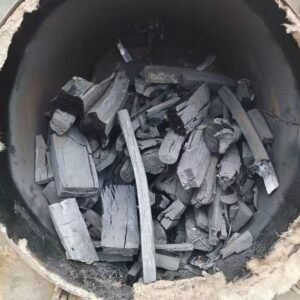
Place it in open well-ventilated areas for secondary cooling; stacked storage easily triggers spontaneous combustion.
Key Practical Precautions for New Operators
-
Feeding control
Load reasonably according to actual furnace capacity.
Overfilling blocks air ducts, leading to slow temperature rise and uneven carbonization.
Insufficient loading wastes chamber space and cuts output.
-
Ignition safety
Stand sideways at a safe distance during ignition. Do not face the ignition port directly to avoid flame backfire and hot gas burns.
-
Strictly forbid water cooling
Never pour water on the high-temperature furnace body.
Alternating cold and heat cracks the furnace shell and triggers serious safety accidents. Only natural cooling is allowed.
Summary
Master core links including feeding, temperature rising, flame observation and cooling to produce stable high-grade charcoal skillfully.
Feel free to contact us for solutions to any operational problems.