
Standard Equipment Configuration & Complete Production Process for 1 Ton Per Day Machine-made Charcoal Line.
They aim for a daily output of 1 ton finished charcoal, but have no idea which machine models to select for cost-effective, sufficient capacity production.
All models are perfectly matched for small startup workshops, accompanied by a full standardized production workflow for immediate launch.
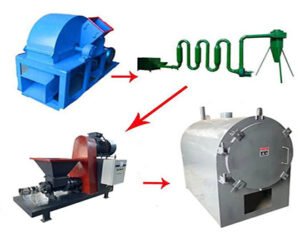
1. Precise Equipment Matching for 1 Ton Daily Output (Dedicated Small Production Standard Set)
No redundant units nor underpowered machines, perfectly meeting 1-ton daily capacity with low power consumption, low failure rate and minimal labor cost, ideal for family workshops and trial production:
- 1 set Model 50 Briquette Extruder
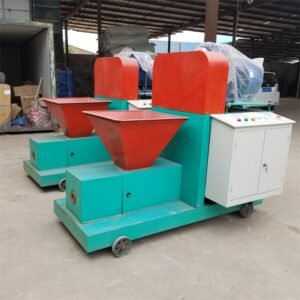
Charcoal Briquette Machine The core forming machine for small production lines, customized for 1 ton daily output. It delivers stable molding without frequent blockages, producing high-quality barbecue and heating charcoal with broad market demand.
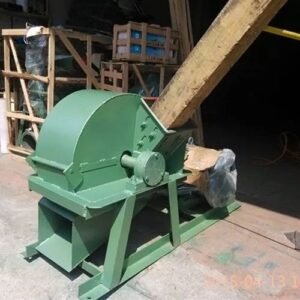
- 1 set Model 600 Wood Shredder
Crushes irregular bulk wood waste into uniform particles that fully meet feeding standards of the briquette extruder, with crushing efficiency matching the rhythm of the whole line.
- 1 set Model 219 Pneumatic Flash Dryer
Special small-scale drying equipment with fast temperature rise and even dehydration. It accurately controls raw material moisture and is tailor-made for low-output charcoal production lines.
- 1 set 1 Ton Horizontal Eco-friendly Carbonization Furnace
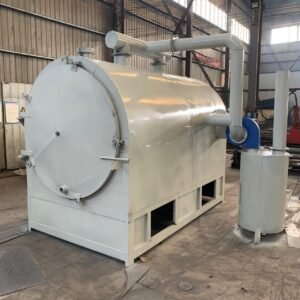
externally heated carbonization furnace Matched for carbonizing 1 ton finished charcoal per day. It adopts sealed smoke-free carbonization with built-in flue gas circulation system, energy-saving, high charcoal yield and low broken charcoal rate.
2. Full Standard Production Workflow
Any lignocellulosic agricultural and forestry waste can be processed into machine-made charcoal.
Step 1 Raw Material Shredding
This size range is the optimal feeding standard for briquette extruders, with proper air permeability to avoid blockage, jamming and loose forming, ensuring smooth continuous production.
Step 2 Drying & Moisture Control
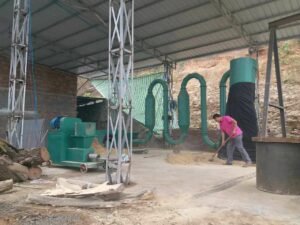
Send materials into the Model 219 pneumatic flash dryer for rapid dehydration, adjusting raw material moisture to the industry golden standard of 10%–12%.
Step 3 High-temperature High-pressure Briquette Forming
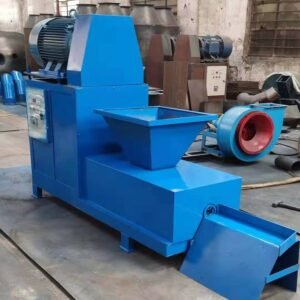
Step 4 Sealed Dry Distillation Carbonization in Horizontal Furnace (Core Procedure)
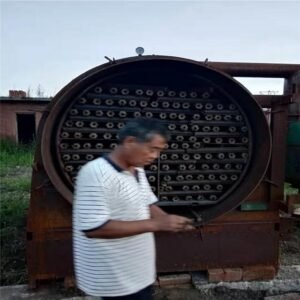
The whole carbonization process operates under sealed oxygen-free conditions, the core secret to high-grade charcoal.
The integrated flue gas recovery circulation system collects all gas and recycles it to the furnace bottom as heating fuel.
Zero flue gas discharge realizes eco-compliant production and greatly cuts fuel expenses. Uniform carbonization delivers high fixed carbon charcoal, long burning time, smoke-free combustion and low broken scrap rate.
3. Configuration Summary
Well-matched machine models enable smooth procedure connection, low energy consumption and stable finished charcoal quality, perfect for low-budget startup entrepreneurs.
No extra unnecessary equipment to increase investment, nor under-sized machines restricting output. It ranks as the top choice for small charcoal workshops.