
Detailed Introduction to Yield, Raw Material Differences & Finished Product Applications of Coconut Shell Carbonization Furnace.
Especially when operating a coconut shell carbonization furnace, they wonder why yield, carbon powder density and end-use vary drastically after switching raw materials on the same equipment.
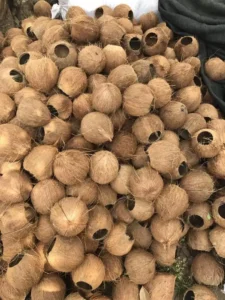
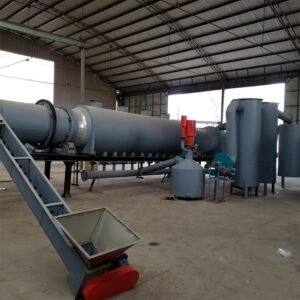
The coconut shell carbonization furnace is essentially a rotary continuous carbonization furnace, a multi-purpose unit for fine materials under 5 mm.
Fine granular agricultural and forestry waste can be fed directly without briquetting or secondary processing, producing finished carbon powder after discharging.
Applicable feedstock includes sawdust, rice husk, peanut shell, palm shell, coconut shell and other fine fruit shells.
1. Straw & Rice Husk Powder: Low Char Yield with Fixed Civil Market
Their finished carbon powder features low density, high ash content, low calorific value and fast burning speed with poor durability.
Such carbon powder fails to meet the hardness and appearance standards for machine-made briquettes, heating fuel or barbecue charcoal.
Practical Carbon Yield Ratio
4 kg of raw materials produce only 1 kg of carbon powder.
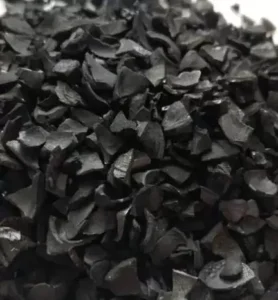
2. Coconut & Palm Shell: High Carbon Yield, Premium Raw Material for Activated Carbon
The most mainstream solution is crushing them for high-temperature carbonization inside the rotary furnace.
Only 2 kg of coconut shell raw materials produce 1 kg of finished carbon.
Compared with straw and rice husk, output volume and profit margin are doubled directly.
It is named a coconut shell carbonization furnace only because it achieves the best carbonization effect and highest market recognition on coconut shells, rather than being limited to coconut shell processing alone.
3. Multi-scenario Solid Waste Pyrolysis & Harmless Treatment
- Process plastic outer layers of electric wires to remove plastic and extract pure copper;
- Conduct smoke-free pyrolysis on qualified industrial waste, circuit boards, electronic component residues and compliant medical waste.
The whole process runs smoke-free and eco-friendly, with waste heat recoverable for circulation heating.
Summary of Raw Material Matching & Product Positioning
All core differences in output and quality derive from raw material properties:
- Light agricultural waste (straw, rice husk): Low carbon yield, mainly supplied as fast-burning civilian fuel;
- Hard fruit shells (coconut shell, palm shell): High carbon yield and superior quality, the top raw material for high-grade activated carbon.