
Continuous Carbonization Furnace: Working Principle, Carbonization Process & Equipment Features
1. Working Principle of Continuous Carbonization Furnace
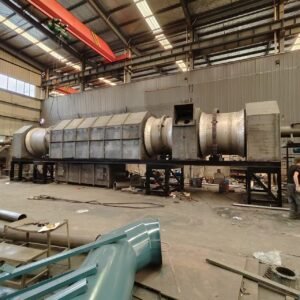
Under sealed anoxic conditions, biomass raw materials are heated and thermally decomposed. Organic matters are separated and converted into three major products: solid charcoal, combustible flue gas and bio-oil, realizing harmless and resourceful treatment of biomass waste.
2. Standard Carbonization Process Steps
-
Raw Material Drying & Feeding
Biomass materials are automatically conveyed into the inner cylinder of the furnace. Low-temperature heating is adopted to remove surface and internal moisture of raw materials, creating stable conditions for subsequent high-temperature carbonization.
-
High-temperature Pyrolysis Reaction
Dried materials enter the outer heating cylinder. Under constant temperature control, materials reach the pyrolysis critical temperature. Organic components crack and decompose to produce combustible gas, bio-oil vapor and primary carbon materials.
-
Deep Carbonization & Carbon Formation
Semi-carbonized materials stay in the constant temperature carbonization section for continuous heat preservation and cracking. It effectively improves fixed carbon content, charcoal density and product quality.
-
Sealed Cooling & Discharging
High-temperature crude charcoal enters the closed cooling system for rapid cooling. It avoids secondary oxidation caused by air contact, and finished charcoal is discharged safely and continuously.
3. Core Equipment Advantages & Characteristics
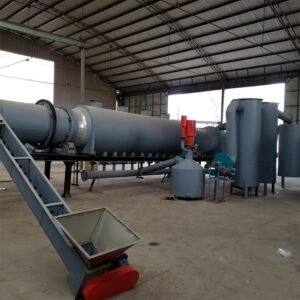
3.1 High Production Efficiency & Intelligent Operation
24-hour non-stop operation greatly improves daily output, reduces labor input and comprehensive energy consumption, and enhances overall economic benefits for manufacturers.
3.2 Energy Saving & Eco-friendly Design
It realizes self-supply of heat energy and reduces external fuel consumption. The fully sealed structure prevents dust, harmful gas and smoke leakage, fully meeting local environmental protection standards in India and Southeast Asia.