
Detailed Introduction to Production Methods and Complete Production Lines for Log Charcoal & Machine-made Charcoal.
This article elaborates on their full production workflows, necessary equipment and respective advantages based on real factory operation experience.
1. Production Process and Supporting Equipment for Log Charcoal
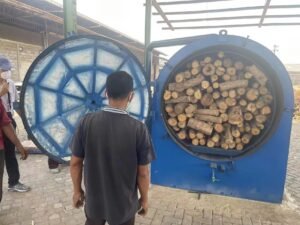
Its equipment configuration is simple. A horizontal carbonization furnace serves as the only core unit without complicated auxiliary machinery, creating a low entry barrier for small-scale startup.
Complete Operational Workflow
-
Raw Material Preparation
Cut purchased hardwood logs into uniform segments for consistent furnace loading and even carbonization. Irregular lengths cause partial under-carbonization or over-burning.
-
Furnace Loading and Sealing
Arrange cut log segments neatly inside the horizontal furnace. Fully close and seal the furnace door after filling to prevent air leakage that damages carbonization results.
-
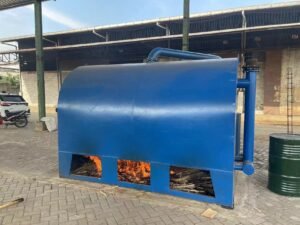
Ignition for Low-temperature Drying & Moisture Removal
Ignite from the dedicated ignition port at the furnace bottom for mild low-temperature heating. When internal temperature exceeds 200°C, moisture inside logs is continuously discharged, a process lasting roughly 2–3 hours.
-
Self-sustaining Carbonization with Minimal Extra Fuel
Once all internal moisture is eliminated, thermal decomposition of wood generates combustible wood gas that auto-ignites to maintain heating. No additional coal or wood fuel is needed during continuous carbonization, cutting operating costs significantly.
-
Cooling Before Charcoal Unloading
Log charcoal is fully processed after combustible gas is consumed.
Critical reminder: Do not open the furnace door until internal temperature naturally drops below 50°C. High-temperature opening leads to charcoal re-ignition, product loss, scald injuries and fire hazards, a vital safety rule for log charcoal production.
Production Capacity Options
2. Complete Equipment Line and Production Process for Machine-made Charcoal
Raw Material Compatibility
Common materials: sawdust, bamboo dust, branches, crop straw, rice husk, peanut shells, offcuts from bamboo and furniture factories. All fibrous wood waste can be recycled to produce charcoal and resolve waste accumulation issues.
Mature, Easy-to-learn Mechanical Workflow
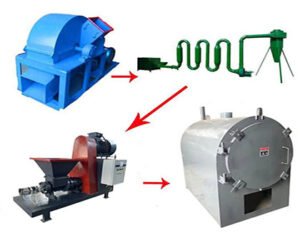
- Shredding Treatment
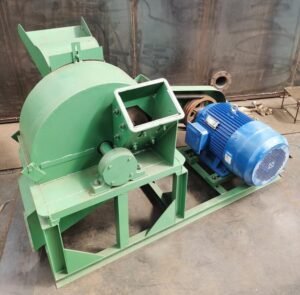
Sawdust Crusher A shredder processes irregular wood waste into uniform fine particles to lay a foundation for stable briquette forming.
- Dehydration Drying
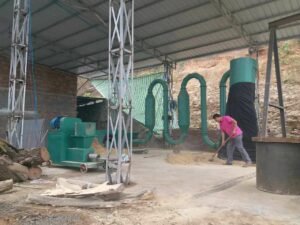
Shredded materials cannot hold shape with excessive moisture. A hot air dryer adjusts moisture to the standard range required by briquette extruders to guarantee high forming yield.
- High-pressure Briquette Forming
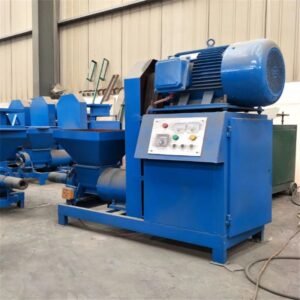
Biomass briquette making machine Fully dried raw materials enter the briquette machine. High temperature and high pressure extrude uniform hollow green charcoal sticks.
- Carbonization for Finished Charcoal
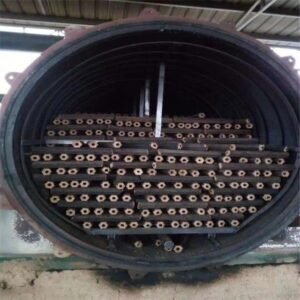
Green briquettes are placed into a carbonization furnace for high-temperature pyrolysis, turning into durable, high-calorific, smoke-free and odorless finished machine-made charcoal.
Customized Line Service
Suppliers provide door-to-door installation, commissioning, hands-on technical training and long-term after-sales support, enabling zero-basis clients to launch stable production safely.
3. Frequently Asked Question: Can One Carbonization Furnace Produce Both Types of Charcoal?
They can be loaded with whole logs for log charcoal production, or filled with charcoal briquettes and lignocellulosic waste for machine-made charcoal processing. A single unit supports both production modes, eliminating duplicate equipment investment and greatly lowering startup costs with excellent cost performance.